
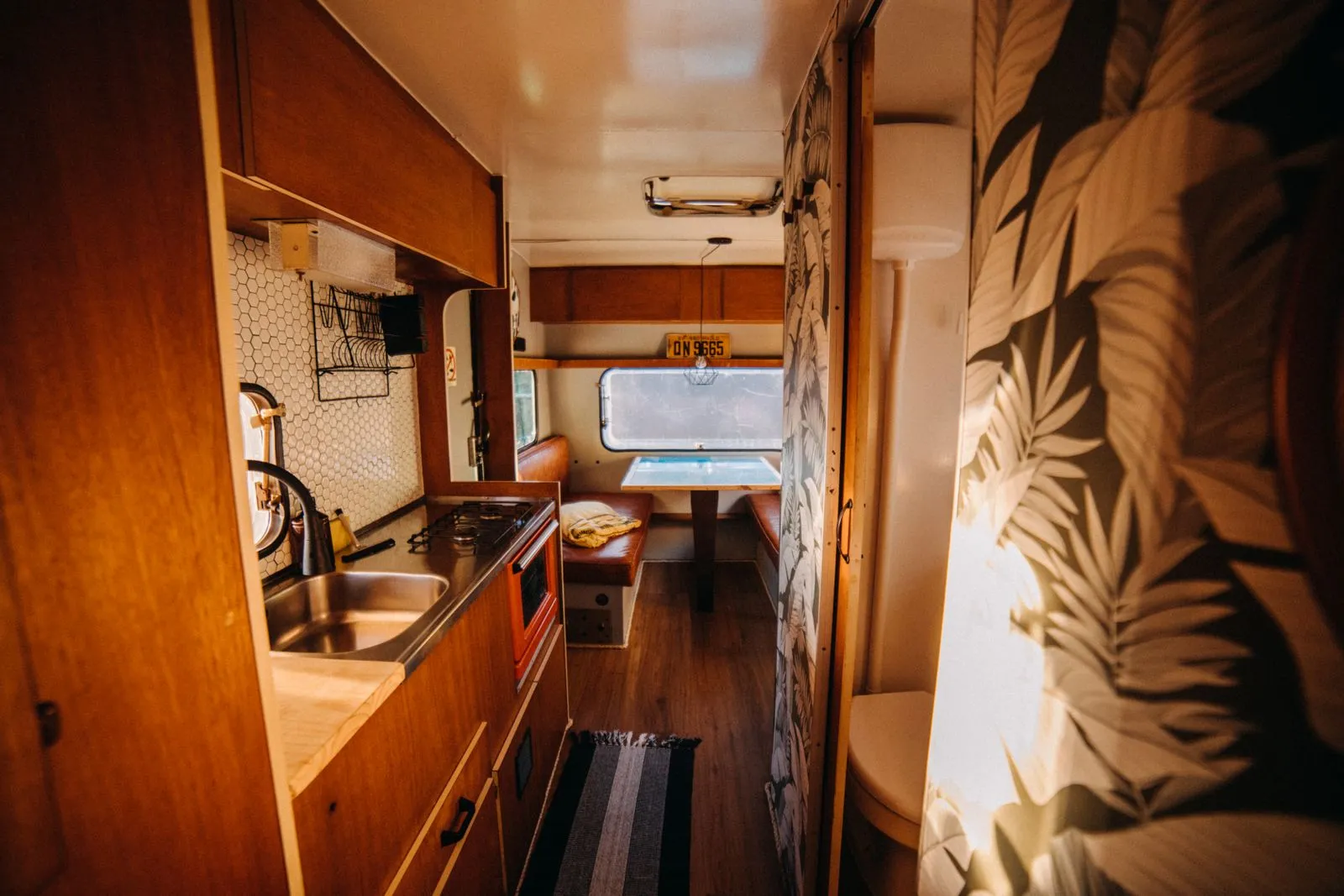
In a compact camper, every item needs a place—and easy access to it. Thoughtful storage can keep cooking supplies within reach, stop clothing from spreading across the bed, and make room for outdoor gear without blocking walkways. Start by deciding what you use daily, what you need only on trips, and what can stay at home. Then choose storage that fits your routines, your layout, and the weight your vehicle can safely carry.
Use Vertical Space Wisely
Walls and cabinet faces can hold lightweight essentials without taking up floor space. Add hooks for jackets, hats, keys, or a small daypack. A narrow wall pocket near the bed can keep a phone, book, and charging cable together. Secure any mounted organizer firmly, and avoid placing loose objects where they could fall while driving.
Overhead shelves work well for items you use less often, such as spare bedding or seasonal clothing. Use bins with lids or retention straps so contents stay put on the road. Keep heavy items low and distribute weight evenly. Before adding shelves, check that they do not interfere with doors, lights, ventilation, or your ability to sit and move comfortably.
Make Cabinets Easier to Use
Deep cabinets can hide small items at the back. Use removable bins, drawer dividers, or stackable containers to group supplies by task: cooking, cleaning, first aid, or personal care. Choose containers that fit the cabinet dimensions and can be lifted out without unpacking everything around them.
Label bins with clear, short names so anyone in the camper can return items to the right place. For kitchen storage, keep frequently used utensils and ingredients near the cooking area, while storing backups farther away. Add a latch or other secure closure to cabinet doors and drawers if they can open during travel.
Give Outdoor Gear a Home
Wet, muddy, or dusty gear needs a separate spot from bedding and clean clothes. A washable mat, ventilated bin, or dedicated compartment near the entry can contain shoes and small outdoor items. Let wet gear dry when possible, and avoid sealing damp clothing or towels in an airtight container for long periods.
For larger equipment, measure the available space before choosing a storage system. Keep access to emergency supplies, vehicle controls, and exits clear. Use straps or fitted holders for items that could shift while driving, and check that stored gear does not exceed the vehicle’s load limits.
Keep Daily Essentials Within Reach
Set aside a small, consistent place for items you reach for throughout the day: water bottles, sunglasses, charging cords, maps, and toiletries. A bedside pocket, shallow tray, or door organizer can prevent these essentials from migrating between seats and counters. Pick a location that remains useful when the bed or table is set up.
Try your storage plan during a normal day in the camper. Cook a meal, change clothes, and pack away gear to see which items are hard to reach or keep falling out of place. Adjust the layout before adding more organizers. A simple system that matches your habits is often easier to maintain than one filled with extra compartments.
Good camper storage keeps daily essentials close, bulky gear secure, and walkways clear. Start with the items you actually bring, assign each a practical home, and test the setup before your next trip. If you’re planning a custom interior, Pikes Peak Camper Co can help you think through storage options for your layout.